Wall Art 3D, Bamboo SVG, Laser, Cricut Review
As a designer who has spent years refining embroidery files for boutique clients and personal projects, I approach every new digital asset with a mix of excitement and skepticism. The market is flooded with generic shapes, but Wall Art 3D, Bamboo SVG, Laser, Cricut caught my eye because it promises something specific: a blend of organic texture and modern minimalism that translates well into physical form. When I first downloaded the preview, I didn't just see lines; I saw potential for a high-end nursery decor piece or a sophisticated tote bag design. However, moving from a screen to a hoop requires more than just good aesthetics; it demands practical judgment on how stitches will behave.
The First Impression: Mood and Visual Personality
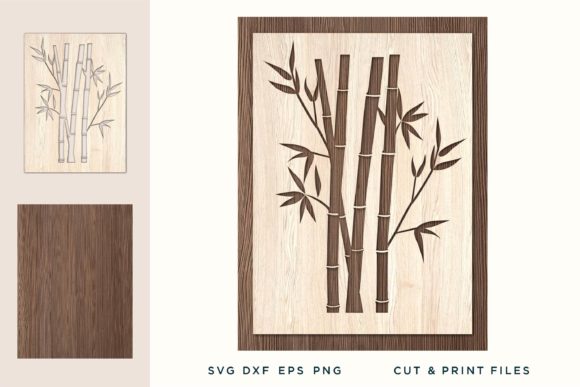
The moment you open the file, the design speaks a language of calm and structure. The bamboo motif is not just a random pattern; it carries an inherent sense of verticality and flow that works beautifully in both wall decor and wearable art. Unlike some cluttered floral designs that can look messy when stitched densely, this layout offers breathing room. It feels like it belongs in a space that values mindfulness, making it perfect for a baby's nursery, a yoga studio gift, or a serene kitchen towel set.
What stands out most is the "3D" aspect mentioned in the title. In the context of an embroidery file, this usually implies depth created through varying stitch densities or layering techniques. My initial assessment suggests that this design relies heavily on fill stitches to create the lushness of the leaves and satin stitches for the outlines. This combination creates a tactile surface that invites touch, elevating a simple handmade product into something that feels premium. For an Etsy seller, this visual appeal is crucial because customers cannot touch the item before buying; the mockup must scream quality.
Real-World Application: From Screen to Stitch
I decided to test Wall Art 3D, Bamboo SVG, Laser, Cricut on a real-world scenario: creating a custom embroidered tote bag for a local artisan market. The goal was to produce a small shop product that would stand out on a crowded table. I loaded the embroidery file into my machine, selected a sturdy canvas fabric, and chose a thread palette of sage green, charcoal, and cream to match the natural tones of the bamboo.
The stitching process revealed the true character of the design. The fill stitches lay down smoothly, creating a dense, velvety texture that mimics the thickness of actual bamboo stalks. Because the design includes negative space, it did not overwhelm the fabric, which is a common pitfall with large wall art motifs applied to smaller items like tote bags. The result was a finished product that looked professional and cohesive. Customers at the craft fair immediately asked about the "hand-stitched" feel, unaware that it was a digital file executed with precision. This demonstrates how a well-chosen design can boost customer trust and perceived value.
Beyond tote bags, I envision this design thriving on sweatshirt embroidery for a cozy winter collection. The vertical lines of the bamboo elongate the silhouette, making it flattering on various body types. It also works exceptionally well as an applique design if you want to add a second layer of fabric behind the bamboo leaves to create a true pop-up effect. For a commercial embroidery project involving holiday gifts, this theme strikes a balance between seasonal cheer and year-round elegance, avoiding the clichés of typical Christmas designs.
Navigating Technical Challenges and Limitations
While the design is promising, no single file is a magic bullet for every situation. As an experienced reviewer, I must highlight where Wall Art 3D, Bamboo SVG, Laser, Cricut might struggle if used without caution. One of the primary concerns is the stitch density required to achieve that 3D look. On thin fabrics or stretchy materials like jersey knits, a dense fill stitch can cause puckering, distorting the image and ruining the clean lines of the bamboo.
If you are planning to use this on a cap or hat, you need to be wary of curved surfaces. While the design is versatile, tight curves can distort the spacing of the running stitches and satin columns, especially if the hoop size is too small for the entire motif. I recommend testing the design on scrap fabric first to ensure the stabilizer choice is adequate. A heavy-duty cutaway stabilizer is often necessary for this type of detailed work to prevent the fabric from shifting during the stitching process.
Another critical factor is fabric texture. While a smooth cotton twill enhances the clarity of the design, rougher textures like burlap or thick fleece might obscure the finer details of the bamboo leaves. If you are aiming for a rustic aesthetic, the contrast between the rough fabric and the precise digital lines could be intentional, but it risks looking muddy if the thread colors do not have enough contrast. Always review stitch density and confirm whether the design works for both personal and commercial projects before committing to a large batch production.
Strategic Design Notes for Makers and Sellers
To get the most out of this digital embroidery file, I advise creators to think critically about their final presentation. Before uploading your printable mockups to your Etsy listing, test the design in black and white. This ensures that the contrast between the stitch types remains clear even without color, which helps in judging the structural integrity of the design. If the details disappear in grayscale, they might get lost in real life under poor lighting.
When selecting thread colors, consider the background fabric. Light fabrics demand darker threads for definition, while dark fabrics require lighter or metallic threads to make the bamboo pop. If you are selling personalized gifts, remember that adding names or dates to this design requires careful placement. The vertical nature of the bamboo leaves means that text placed directly over the design might become illegible. Instead, position text in the open spaces above or below the main motif.
For those using this for laser cutting or mixed media projects, note that the provided file formats (SVG, DXF, PNG) offer flexibility. However, if you intend to use the design for commercial embroidery, always check the licensing terms provided with the download. Some digital product sellers restrict the number of finished items you can sell per license, so clarifying this upfront protects your business from legal issues.
Final Thoughts on Value and Versatility
In conclusion, Wall Art 3D, Bamboo SVG, Laser, Cricut is a robust addition to any designer's library, provided it is treated with respect for its technical requirements. It excels in creating products that feel curated and thoughtful, whether it is a baby embroidery piece for a new parent or a branded apron for a boutique kitchen. The design's ability to convey depth and texture makes it a strong candidate for enhancing brand consistency across various merchandise.
However, success lies in the execution. By paying attention to hoop size, stabilizer selection, and fabric compatibility, you can transform a simple vector file into a tangible masterpiece. Whether you are a hobbyist looking to create a unique holiday gift or a small business owner scaling up your inventory, this design offers a solid foundation. Just remember to inspect small details closely and verify all file specifications before starting your next big project. With the right preparation, Wall Decor and Laser Cutting applications of this design can truly shine.