Icon Laptop 3D Trash: A Designer's Real-World Review
As someone who has spent years reviewing embroidery files for both personal hobby projects and commercial small business lines, I have learned that the most critical factor isn't just how a design looks on a screen, but how it translates to thread. Today, I am evaluating Icon Laptop 3D Trash, a graphic asset that promises a modern, digital aesthetic suitable for various creative applications. My goal here is not to simply list features, but to provide a practical judgment on whether this design holds up under the needle in real-world scenarios.
First Impressions: The Mood of Digital Decay
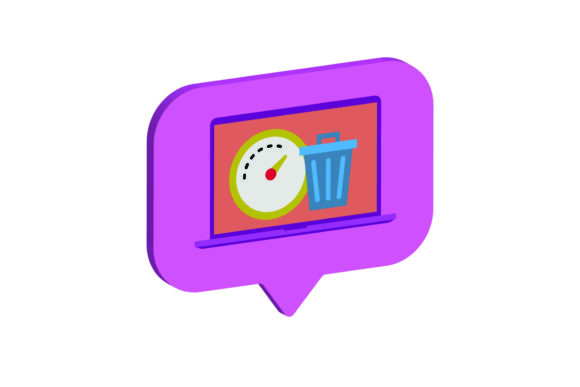
The moment you open the Icon Laptop 3D Trash file, the visual personality is immediately distinct. It captures a specific mood that resonates with today's tech-savvy culture: the intersection of functionality and obsolescence. Unlike generic floral or geometric icons, this piece carries a narrative. It feels edgy, slightly rebellious, and undeniably contemporary. The "3D" aspect suggests depth, which is crucial for embroidery because flat designs can sometimes look lifeless on textured fabrics like denim or canvas.
In terms of layout, the icon is centered and balanced, making it an excellent candidate for standard placement on apparel or home goods. The visual weight is distributed evenly, avoiding the common pitfall of designs that feel top-heavy or unbalanced when stitched. For a designer looking to add a touch of irony or humor to a product line, this design offers a unique angle that stands out from the typical cute or minimalist trends dominating platforms like Etsy.
Real-World Application: From Screen to Stitch
To truly understand the utility of Icon Laptop 3D Trash, let's imagine a concrete scenario. Suppose you are a boutique owner preparing a limited run of custom embroidered tote bags for a tech conference or a local maker market. You want a design that speaks to digital nomads, developers, or anyone who spends their day glued to a screen. This icon fits that brief perfectly.
When I visualize this design on a heavy-duty canvas tote, the potential for high contrast is evident. If executed correctly, the 3D effect could mimic the look of a trash bin icon found on computer interfaces, creating a playful juxtaposition between the physical fabric and the digital symbol. However, the success of this project hinges entirely on the execution of the stitch types. A successful machine embroidery design requires a mix of satin stitch for clean outlines and fill stitch to create the illusion of volume. If the file lacks sufficient density instructions, the "3D" effect might collapse into a muddy patch of thread.
Beyond tote bags, this design could work exceptionally well as a branded patch for a sweatshirt or a laptop sleeve. Imagine a small shop selling merchandise for remote workers; adding this icon to a high-quality apron or a kitchen towel creates a conversation starter. It transforms a utilitarian item into a statement piece. For Etsy sellers looking to differentiate their handmade products, this kind of niche graphic can attract a specific demographic that appreciates wit and modern design sensibilities.
Where to Exercise Caution
While the concept is strong, no design is without its limitations. As an experienced reviewer, I must point out where Icon Laptop 3D Trash might struggle if applied without forethought. First, consider the hoop size. If the design contains intricate details intended to show off the 3D shading, attempting to stitch it on a very small surface area will result in lost definition. Tiny corners and fine lines often get swallowed by the tension of the stabilizer or the bulk of the thread.
Fabric choice is another critical variable. Textured fabrics like chunky knits or heavily woven linens can obscure the crisp edges of a digital-style icon. Similarly, stretchy fabrics like jersey t-shirts require careful handling. If the stitch density is too high, the fabric may pucker, distorting the geometry of the laptop and trash elements. Dark fabrics present a different challenge; while they offer great contrast for light threads, achieving a true 3D effect often relies on shadow stitching, which can be difficult to execute cleanly on black or navy backgrounds without the right thread colors.
Furthermore, items that undergo frequent washing, such as baby clothes or dish towels, demand durability. If the design relies on long running stitches or loose fill areas, these might snag or wear down over time. Curved surfaces, like baseball caps, also pose a risk. While possible, maintaining the integrity of the "icon" shape on a curved brim or crown requires advanced digitizing skills that go beyond simply pressing "start" on your machine.
Impact on Brand Value and Customer Trust
The quality of your embroidery directly influences customer perception. A sloppy application of Icon Laptop 3D Trash can make even the best-designed product look cheap. Conversely, a precise, clean finish elevates the perceived value of the item. When a customer sees a well-executed design that maintains its sharp lines and depth, they associate that precision with the overall quality of your brand. This builds trust and encourages repeat purchases.
For commercial embroidery projects, consistency is key. If you are producing a batch of 50 hats, every single one needs to look identical. The digital nature of this file (available in formats like AI, EPS, SVG, DXF, JPG, and PNG) allows for easy resizing and testing, but the final output depends on your setup. Using proper stabilizer and selecting the correct thread colors are non-negotiable steps to ensure the design retains its professional appeal. A poorly chosen thread color can completely alter the mood, turning a sleek, modern icon into something that looks dated or unintentionally dull.
Practical Notes for the Embroidery Designer
Before committing this design to a final production run, there are several essential checks you should perform. Always test the embroidery file on scrap fabric first. This allows you to gauge how the machine handles the specific combination of stitches required for the 3D effect. Pay close attention to the stitch density; if it feels too tight, reduce it slightly to prevent puckering. If it feels too loose, the design may lack stability.
Review the design in black and white mockups to ensure the contrast works before you invest in colored thread. Compare how it looks against both light and dark fabric backgrounds to verify versatility. Check the small details; sometimes, what looks perfect on a high-resolution monitor becomes indistinguishable once stitched. Ensure you have the appropriate digital embroidery file settings for your specific machine, as compatibility can vary. Finally, confirm the licensing terms. If you plan to sell finished items featuring Icon Laptop 3D Trash, you must verify that the license permits commercial use. Selling a personalized gift is different from mass-producing small shop products, and understanding the distinction protects your business.
In conclusion, Icon Laptop 3D Trash offers a compelling option for designers looking to inject a bit of digital humor and modern style into their work. It is versatile enough for holiday embroidery, wedding gifts, or everyday custom apparel, provided it is handled with technical care. By respecting the limitations of the medium and paying attention to the details of execution, you can turn this simple graphic into a standout feature that customers will love. Whether you are a seasoned pro or a hobbyist starting your craft business, this design asset has the potential to elevate your finished product if approached with the right mindset and preparation.