Background Low Poly Design for Modern Graphics and Backgrounds
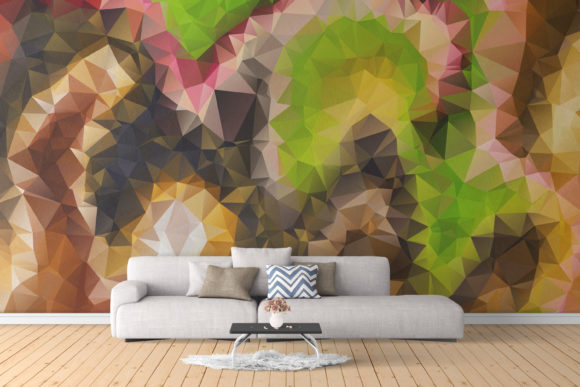
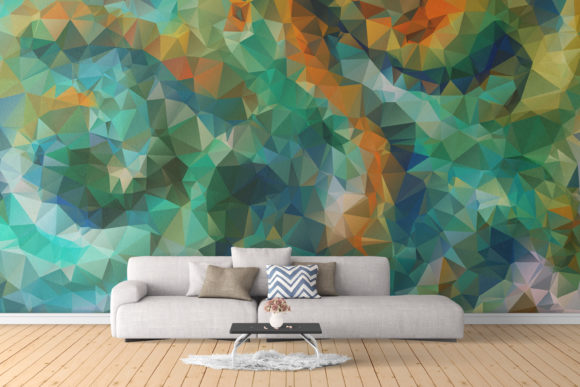
When I first opened the file for Background Low Poly Design, my immediate reaction was one of professional intrigue. As a brand designer who has spent years curating visual assets for diverse clients, I know that the right background can make or break a campaign. This abstract low poly background from crystal offers a unique blend of structure and fluidity that feels distinctly modern. It is not just a static image; it is a graphic design asset built on 3D image technology vector background principles that allow for incredible versatility.
The mood this design creates is sophisticated yet accessible. It suggests innovation, precision, and forward-thinking without feeling cold or overly technical. For brand owners and content creators looking to refresh their visual identity, this Graphics collection piece brings an emotional tone of clarity and connection. It works beautifully for lifestyle content, event promotions, and commercial marketing materials where you need to stand out without looking messy or unprofessional. The polygonal vector backg structure provides a sense of depth that flat colors simply cannot achieve.
Real-World Application in a Seasonal Product Launch
To understand the true value of this asset, let's look at a real scenario. Imagine a small business owner launching a new line of eco-friendly tech accessories. They need to create a cohesive visual story across Instagram, Pinterest, and their email newsletter. The challenge is to communicate "future-forward" technology while maintaining a warm, approachable brand voice. This is where Background Low Poly Design becomes essential.
In this workflow, the asset serves as the foundation for a digital campaign kit. Instead of starting with a blank canvas, the team uses the vector data science background aesthetic to anchor their messaging. By changing the color while keeping the same 3D image technology vector background structure, they can match the product packaging exactly. The connection structure of the polygons guides the eye naturally toward the product images and call-to-action buttons. This ensures that the visual hierarchy remains clear, preventing the audience from getting lost in the design details.
Building Trust Through Professional Branding
Audience trust is often built on the subtleties of design. When potential customers see a website header or a social media ad that looks polished and intentional, they are more likely to engage. Background Low Poly Design supports this goal by providing a commercial design element that elevates the entire perception of the brand. It transforms simple text into a compelling narrative.
This digital product is particularly effective for:
- Social Media Graphics: Creating consistent Instagram posts and Facebook ads that look like part of a unified series.
- Packaging Design: Using the Polygonal vector backg pattern on product labels or box inserts to add a premium touch.
- Digital Ads: Enhancing banner ads with a dynamic backdrop that catches the eye without overwhelming the offer.
- Editorial Design: Adding depth to blog graphics and lead magnets that require a modern aesthetic.
By integrating this design bundle element, businesses can achieve stronger recognition and better engagement. The geometric nature of the design implies stability and reliability, which are key factors in building audience trust. Whether you are designing a Canva template for your followers or creating a media kit for sponsors, this asset adds a layer of professionalism that signals quality.
Ideas for Creative Implementation
The versatility of this SVG design or PNG design format allows it to fit into various creative workflows. Here are specific ways to utilize it:
- Hero Graphics: Use it as a full-width background for landing pages to immediately capture attention.
- Branded Templates: Create reusable layouts for weekly newsletters or monthly reports.
- Merchandise: Apply the pattern to t-shirts, stickers, or tote bags for a trendy, artistic look.
- Event Flyers: Generate posters for webinars or workshops that need a futuristic vibe.
The ability to change the color while keeping the same 3D image technology vector background means you can maintain consistency across different campaigns. If your brand shifts from blue to green, the underlying structure remains familiar, reinforcing your brand identity even as the palette evolves.
Strategic Limitations and Usage Guidelines
While Background Low Poly Design is a powerful tool, every creative design element has its place. It is crucial to use it wisely to avoid visual clutter. There are specific scenarios where this asset should be used carefully or avoided entirely.
For instance, formal corporate branding often requires a more subdued and traditional aesthetic. In these cases, the complexity of the low poly structure might feel too energetic or informal. Similarly, dense information layouts, such as detailed spreadsheets or complex infographics, may suffer if the background competes with the data. The intricate lines could distract from the numbers and charts.
Small mobile graphics also present a challenge. On a tiny screen, the fine details of the polygonal connections might blur, making the image look muddy rather than crisp. If your primary traffic comes from mobile devices, ensure the resolution is high enough to hold up under scrutiny. Additionally, overly minimal brands that rely on vast amounts of white space might find this asset too heavy. Text-heavy ads should also be approached with caution; if the background is too busy, the message will get lost.
The key is balance. Use the Abstract low poly background from crystal as a supporting actor, not the lead. Let it frame your content rather than dominate it.
Essential Designer Notes for Success
Before deploying this design asset in a paid campaign or client work, there are several practical steps to take. First, test it with your existing brand color palette. Does the vector data science background harmonize with your primary and secondary colors? Sometimes, a slight adjustment in saturation or brightness is needed to ensure the background doesn't clash.
Next, check the black and white usage. Convert the image to grayscale to see how it performs without color. This helps determine if the contrast is sufficient for readability. Place it inside real campaign mockups to visualize the final result. Preview it on mobile screens to confirm that the details remain sharp and the layout does not break.
Typography pairing is another critical factor. Test the background against serif fonts for a classic, editorial look, sans serif fonts for a clean, modern feel, script fonts for a touch of elegance, handwritten fonts for a personal vibe, and display fonts for bold statements. Review the spacing and balance to ensure there is enough room for your text to breathe.
Finally, always review the commercial licensing before using it in paid campaigns, client work, or business branding. Ensure you have the rights to modify the color and use the Polygonal vector backg in your specific industry. Confirming these details protects your business and ensures a smooth workflow.
Conclusion: A Versatile Tool for Visual Storytelling
Background Low Poly Design is more than just a pretty picture; it is a strategic component of a successful marketing plan. By understanding its strengths and limitations, you can leverage its unique 3D image technology vector background structure to create memorable campaign visuals. Whether you are a small business owner, an online coach, or a creative entrepreneur, this modern design element offers the flexibility needed to attract attention and build a strong brand identity.
When used correctly, it enhances the emotional connection with your audience and improves the overall presentation of your products. From social media covers to printable promotions, this illustration fits seamlessly into the toolkit of any professional seeking to elevate their visual content creation. Embrace the geometry, play with the colors, and watch your brand come to life with a fresh, contemporary edge.